S.putty PDocsOpen Source
Related
GitHub Plagued by Outages as AI-Driven Development Surges: Company Details Emergency Scaling PlanGitHub Actions Vulnerability Led to Malicious Python Package on PyPI – What You Need to KnowGitHub's Commitment to Reliability: Navigating Exponential Growth and Improving AvailabilityRust Project Secures 13 Google Summer of Code 2026 Slots Amid Surge in ProposalsWarp Terminal Goes Open Source: AI-Driven Development Model UnveiledAge Assurance Laws Threaten Open Source Developers, Experts WarnPython 3.13.10 Is Here: 10 Key Facts You Need to KnowWhatCable: Your Mac's USB-C Cable Inspector in the Menu Bar

8 Steps Meta Took to Escape the WebRTC Forking Trap and Modernize Real-Time Communication

Last updated: 2026-05-11 13:46:17 · Open Source

Introduction

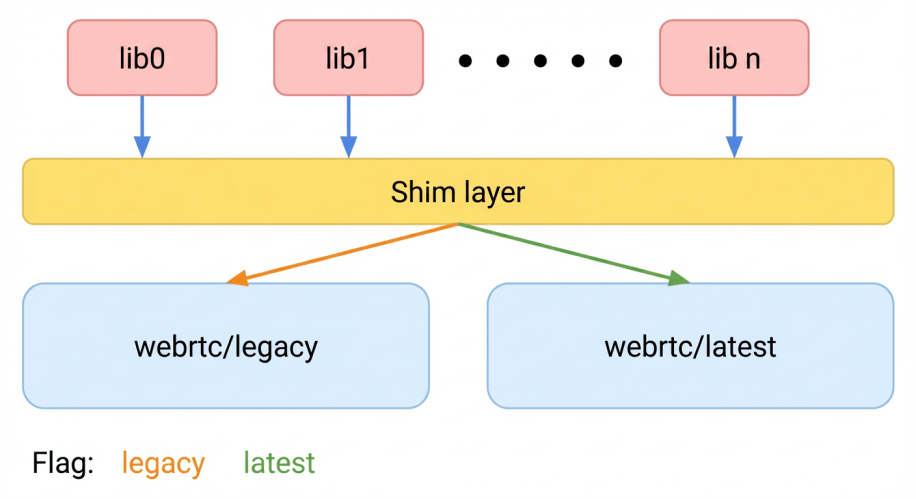
Meta relies on WebRTC to power real-time audio and video across platforms like Messenger, Instagram, Cloud Gaming, and VR casting on Quest. But maintaining a permanent fork of this massive open-source project created a classic 'forking trap': internal modifications drifted far from upstream updates, making integration costly and risky. To break free, Meta engineered a dual-stack architecture that allowed safe A/B testing across over 50 use cases, eventually moving to a modular system built atop the latest upstream version. This article walks through the eight critical steps Meta took to modernize WebRTC, improve performance and security, and establish a continuous upgrade pipeline.
8 Steps Meta Took to Escape the WebRTC Forking Trap and Modernize Real-Time Communication
Source: engineering.fb.com
8 Steps Meta Took to Escape the WebRTC Forking Trap and Modernize Real-Time Communication
Source: engineering.fb.com