Swedish Scientists Achieve Diabetes Reversal in Mice Using Stem Cell-Derived Insulin Cells
Researchers in Sweden have reversed type 1 diabetes in mice by transplanting lab-grown insulin-producing cells derived from human stem cells. The breakthrough marks a critical step toward a potential functional cure for the disease.
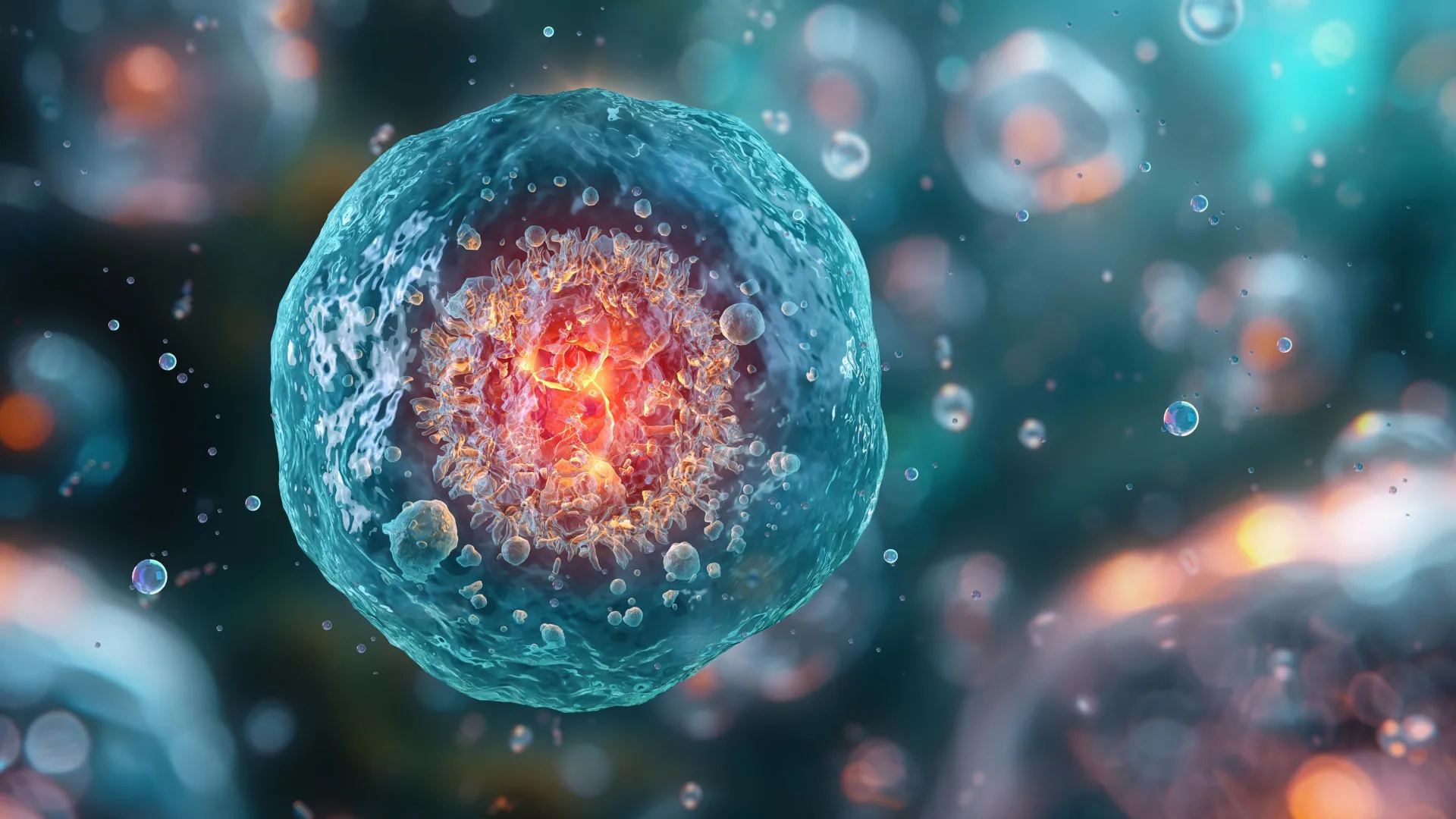
The cells, engineered to mimic natural pancreatic beta cells, responded strongly to glucose levels and restored blood sugar control in diabetic mice within weeks, according to a study published today.
"This is a significant step toward a functional cure for type 1 diabetes," said Dr. Anna Lindqvist, lead researcher at the Karolinska Institute. "We have shown that these cells can survive, function, and regulate blood glucose just like natural pancreatic cells."
The research team employed a novel differentiation protocol that produces a higher purity of functional beta cells than previous methods. When transplanted under the skin of diabetic mice, the cells normalized blood glucose levels for the duration of the experiment.
Background
Type 1 diabetes affects millions worldwide, requiring lifelong insulin injections. Current treatments manage symptoms but do not address the root cause—the autoimmune destruction of insulin-producing beta cells.
Previous efforts to grow beta cells from stem cells have struggled with low efficiency and poor glucose responsiveness. The new approach uses specific chemical signals to guide stem cells into mature beta cell-like clusters.
"Previous attempts often produced cells that were immature or mixed with other cell types," explained Dr. Lindqvist. "Our protocol yields a nearly pure population of functional insulin-producing cells."
What This Means
The findings offer a clear pathway to human trials, though several hurdles remain. The cells must be encapsulated to protect them from immune attack in patients with type 1 diabetes.
If successful, the approach could free patients from daily insulin injections. The researchers estimate that human clinical trials could begin within three to five years, pending regulatory approval.
"This is not a cure yet, but it is a major step toward one," said Dr. Erik Svensson, a diabetologist at Uppsala University not involved in the study. "The potential to replace insulin therapy with a cell transplant is enormous."
The team is now working on scaling up production and testing the cells in larger animal models. They also plan to develop an encapsulation device that allows insulin to pass while blocking immune cells.
"We are optimistic but cautious," Dr. Lindqvist added. "Every breakthrough in diabetes research brings us closer to a future where type 1 diabetes is no longer a lifelong burden."
Key Facts
- Source: Human induced pluripotent stem cells (iPSCs)
- Target: Type 1 diabetes
- Model: Diabetic mice
- Outcome: Normalized blood glucose for several weeks
- Next step: Encapsulation technology and animal safety studies